
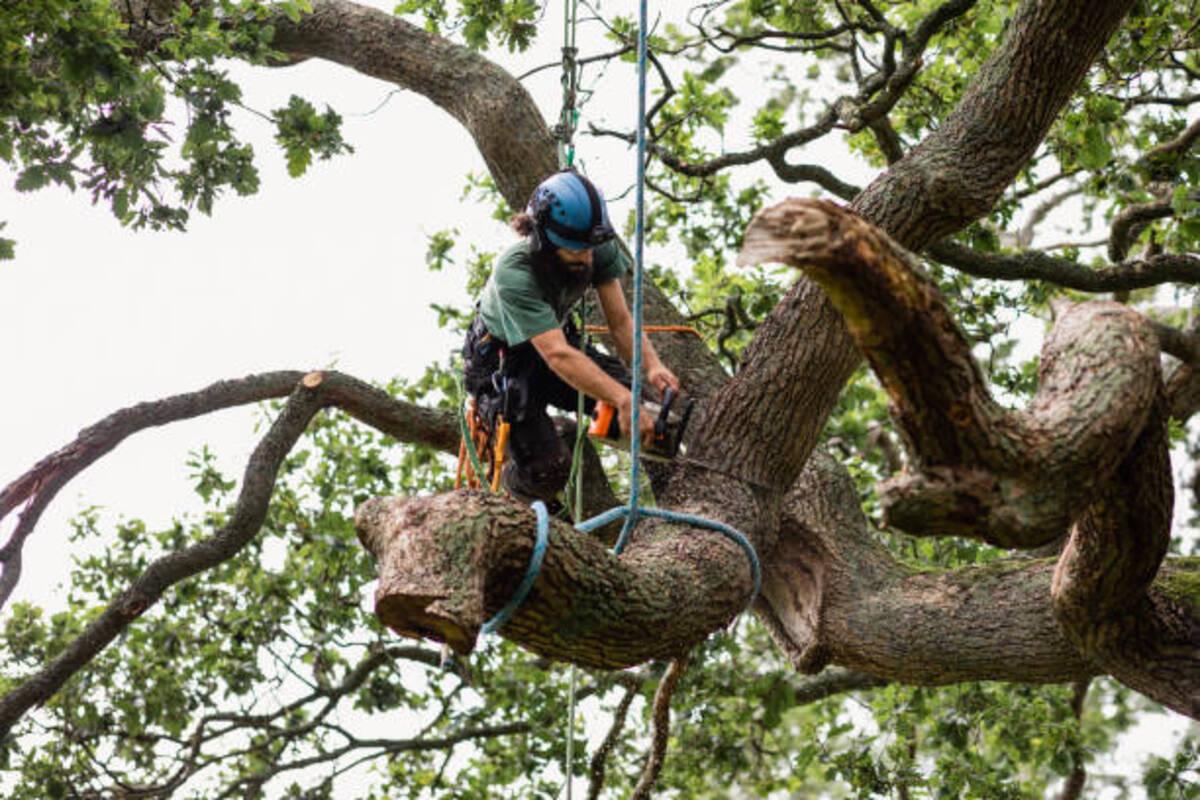

It is often necessary for various reasons such as safety concerns, landscape aesthetics, or to clear space for construction. However, it’s crucial to prioritize safety throughout the process to prevent accidents and injuries.
Importance of Safety Precautions
Safety precautions during emergency tree removal not only protect the workers involved but also ensure the safety of nearby properties, pedestrians, and wildlife. Neglecting safety measures can result in property damage, personal injuries, or even fatalities.
Assessment and Planning
Before initiating removal, it’s essential to conduct a thorough assessment of the tree and its surroundings. Assessing the tree’s health, structural integrity, and potential hazards helps in devising a safe removal plan.
Identifying potential risks such as nearby structures, power lines, or uneven terrain is crucial for planning safe removal procedures.
Safety Gear and Equipment
Proper safety gear and equipment are non-negotiable during tree removal. Workers should wear protective clothing including helmets, gloves, eye protection, and sturdy footwear to minimize the risk of injuries.
Using the right tools and equipment such as chainsaws, ropes, and rigging systems enhances safety and efficiency during the removal process.
Understanding Surroundings
Understanding the surrounding environment is key to ensuring safety during tree removal. Workers should assess factors like wind direction, soil conditions, and the presence of bystanders or wildlife.
Clearing the work area of obstacles and ensuring sufficient space for equipment maneuverability reduces the risk of accidents and property damage.
Techniques for Safe Tree Removal
Employing proper cutting techniques and utilizing ropes and rigging systems are essential components of safe removing. Strategic cutting methods help control the direction of tree fall, minimizing the risk of unexpected outcomes.
Ropes and rigging systems provide additional support and control, especially for larger trees or those in confined spaces.
Working with a Professional
For complex or hazardous tasks, hiring certified arborists or tree removal professionals is highly recommended. Experienced professionals possess the expertise and equipment necessary to safely handle challenging removal scenarios.
Understanding insurance coverage related to tree removal ensures financial protection in case of unforeseen accidents or property damage.
Environmental Considerations
Beyond safety concerns, it should be also consider environmental preservation. Minimizing damage to surrounding vegetation and responsibly disposing of removed tree parts contribute to environmental sustainability.
Dealing with Emergencies
Preparedness for emergencies is paramount during tree removal operations. Maintaining first aid kits onsite and ensuring quick access to emergency contacts help mitigate risks and facilitate prompt response in case of accidents or injuries.
Community Safety Measures
Informing neighbors and relevant authorities about upcoming tree removal activities promotes community safety and awareness. Considering public safety concerns and implementing precautionary measures minimize disruptions and potential hazards.
Post-Removal Safety Measures
After completing tree removal, it’s essential to conduct a thorough inspection of the work site to ensure no residual hazards exist. Adhering to post-removal safety protocols and maintaining vigilance prevent accidents during cleanup and restoration activities.
Common Safety Mistakes to Avoid
Rushing through the removal process and ignoring warning signs are common safety mistakes that can lead to accidents or injuries. Patience, diligence, and adherence to safety protocols are critical for preventing avoidable incidents.
Educational Resources
Access to training programs, safety guidelines, and manuals equips workers with the knowledge and skills necessary for safe tree removal practices. Investing in ongoing education and training fosters a culture of safety within the industry.
Promoting Safety Culture
Promoting safety awareness and sharing experiences and insights within the industry contribute to building a robust safety culture. Encouraging open communication, accountability, and continuous improvement enhances overall safety standards.
Conclusion
Prioritizing safety precautions during tree removal is imperative to safeguarding lives, properties, and the environment. By following established safety protocols, utilizing appropriate gear and equipment, and fostering a culture of safety, tree removal professionals can mitigate risks and ensure successful outcomes.